Dog Vaccinations: What Active Ingredients Does Your Canine Companion Need?

Back to blog

Dog Vaccinations: What Active Ingredients Does Your Canine Companion Need?

Pet owners only want the best for their furry friends. Just as vaccinations can protect us humans from infectious diseases, immunizations also protect our furry friends from serious illnesses. In this blog post, we discuss which vaccinations are important for your dog, when they should be administered, and everything else you need to know about vaccinations.

Why Vaccinations?

Anyone who owns a furry friend knows that their pet should be vaccinated. But why is that? Just like in humans, vaccinations in dogs offer protection against viral or bacterial diseases which, if contracted without a vaccine, can be severe or even fatal, or have serious consequences.

By administering live or attenuated viruses/bacteria to your four-legged friend via a vaccine dose, the vaccine allows your paw pal to build up immunity against viruses and other nasties, thus showing only a attenuated or no reaction upon infection.

Although there is no mandatory vaccination in Switzerland, certain vaccinations are recommended to protect your paw pal from diseases and epidemics that are vaccine-preventable, i.e., preventable.

We will explain here which vaccinations are available and what they protect your paw pal against.

  • Leptospirosis

    The leptospirosis virus originates in the urine of mice and rats and is contracted primarily through stagnant water. This disease is a zoonosis – meaning that owners can also contract it from their pets or the environment.

  • Parvovirus

    Shed by infected animals, the highly contagious disease is ingested through feces (e.g., through contaminated food or toys). The virus first affects the lymph nodes in the throat, then migrates to the intestinal area, and from there spreads to all regions of the dog's body.

  • Viral-induced kennel cough

    The name suggests where a paw is most likely to contract the viral infection: where many dogs gather. The disease is transmitted through the air as well as via droplets, and thus resembles the flu in humans.

  • Canine distemper

    A globally widespread, highly contagious viral infection that initially enters the lymph nodes of the upper respiratory tract. The virus subsequently affects all regions of the body. Distemper infections are often fatal, which is why primary vaccination and booster shots are recommended.

  • Hepatitis (HCC)

    Chronic hepatitis in dogs caused by canine adenovirus 1. Infection occurs through blood, feces, saliva, nasal discharge, or urine. In severe cases, the disease is fatal.

    The virus has been largely eradicated in Western European countries, but vaccination is recommended, especially for puppies (though dogs of all ages can become infected).

1 of 5

For an extra strong immune system

1 of 4

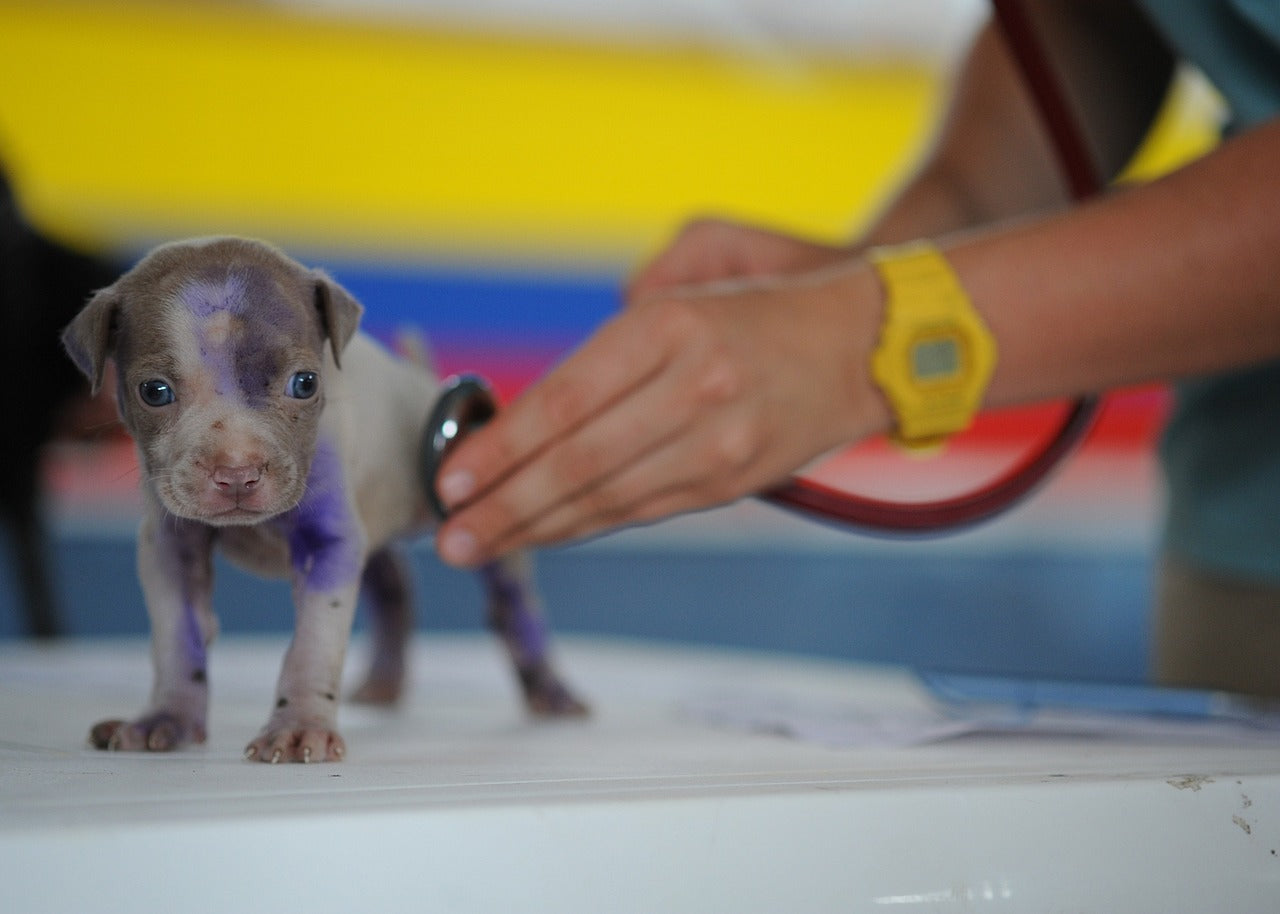
To ensure your paw is optimally protected, veterinarians recommend immunizing your puppy at approximately 8 weeks of age. The initial vaccination is done via a combined vaccine – a combination of all basic vaccines against the aforementioned infections/diseases.

Your vet will administer the first dose to your paw at 8 weeks, followed by a second dose three to four weeks later, which completes the initial vaccination.

To keep your paw always well protected, a booster vaccination is required. To ensure your paw is always optimally protected, Villa Bunterhund will send you an email reminder before the vaccination expires.

By the way: Nutrition also plays a role in the immune response. A healthy and properly nourished dog's body is better equipped to fight off the nasty viruses and bacteria that come with a dog's life. For this and many other reasons, it's worth determining the right nutrition for your furry friend. Our nutritional counseling will be happy to assist you with any questions.

Booster shots

If you and your paw are traveling to another country or you want to protect your paw with additional vaccines, your veterinarian will administer so-called additional vaccinations to your paw. These vaccinations are not mandatory in Switzerland, but if you are traveling to another country, you should definitely find out about the required vaccinations for your paw in the country of travel (and those that must be presented upon departure).

The federal government has a great tool with which you can determine, with just a few clicks, which vaccinations and documents your animal needs depending on the country of travel.

Booster Vaccinations at a Glance

Lyme disease

Caused by nasty little ticks that all too readily hunt dogs and humans in the woods and meadows, Lyme disease affects the organs. A vaccination protects your paw against the nasty critters, but you should still check your furry friend's coat after walks.

Babesiosis

By destroying red blood cells, babesiosis (also known as 'canine malaria') leads to anemia and poses a particular danger to dogs that travel frequently. If left untreated, babesiosis can be fatal. While vaccination does not prevent infection, it does alleviate the symptoms.

Canine Herpesvirus

Canine herpesvirus primarily affects pregnant dogs and their puppies. Vaccination in two steps ensures the protection of the bitch and her puppies.

Leishmaniasis

Triggered by the bite of sandflies, which are found primarily in the Mediterranean region and in the southern countries of the world, an untreated infection by the butterfly mosquito can be severe to fatal. The disease affects dog skin or internal organs (liver, spleen & kidneys).

Leishmaniasis is unfortunately not curable, which is why timely vaccination is strongly recommended if you travel with your paw to areas where the pathogens live.

Rabies

If your dog travels abroad with you, your paw needs a valid rabies vaccination.

In Europe, the most common carrier is the fox. Affected animals become infected through contact with mucous membranes or broken skin, more frequently through bite or scratch wounds from the pathogen.

Please note, the vaccination must be administered 21 days before crossing the border and is valid for 3 years.

Kennel Cough (Droplet)

In addition to routine vaccinations, which protect against viral infection, pet owners can also have their four-legged friends vaccinated with an intranasal kennel cough vaccine, which provides protection for one year.

A kennel cough vaccination is particularly recommended for pets that come into frequent contact with other animals.

Do I have to get vaccinated?

In Switzerland, there is currently no mandatory vaccination for dogs. Therefore, whether you want to vaccinate your furry friend is your decision. If you are looking for official vaccination recommendations, the Swiss Association for Small Animal Medicine regularly publishes current vaccination recommendations on its website.

By the way, to join our colorful pack, your paw needs a valid combined vaccination to ensure all our furry guests stay healthy.

Image Sources:
Image 'Puppy': 12019 / Pixabay
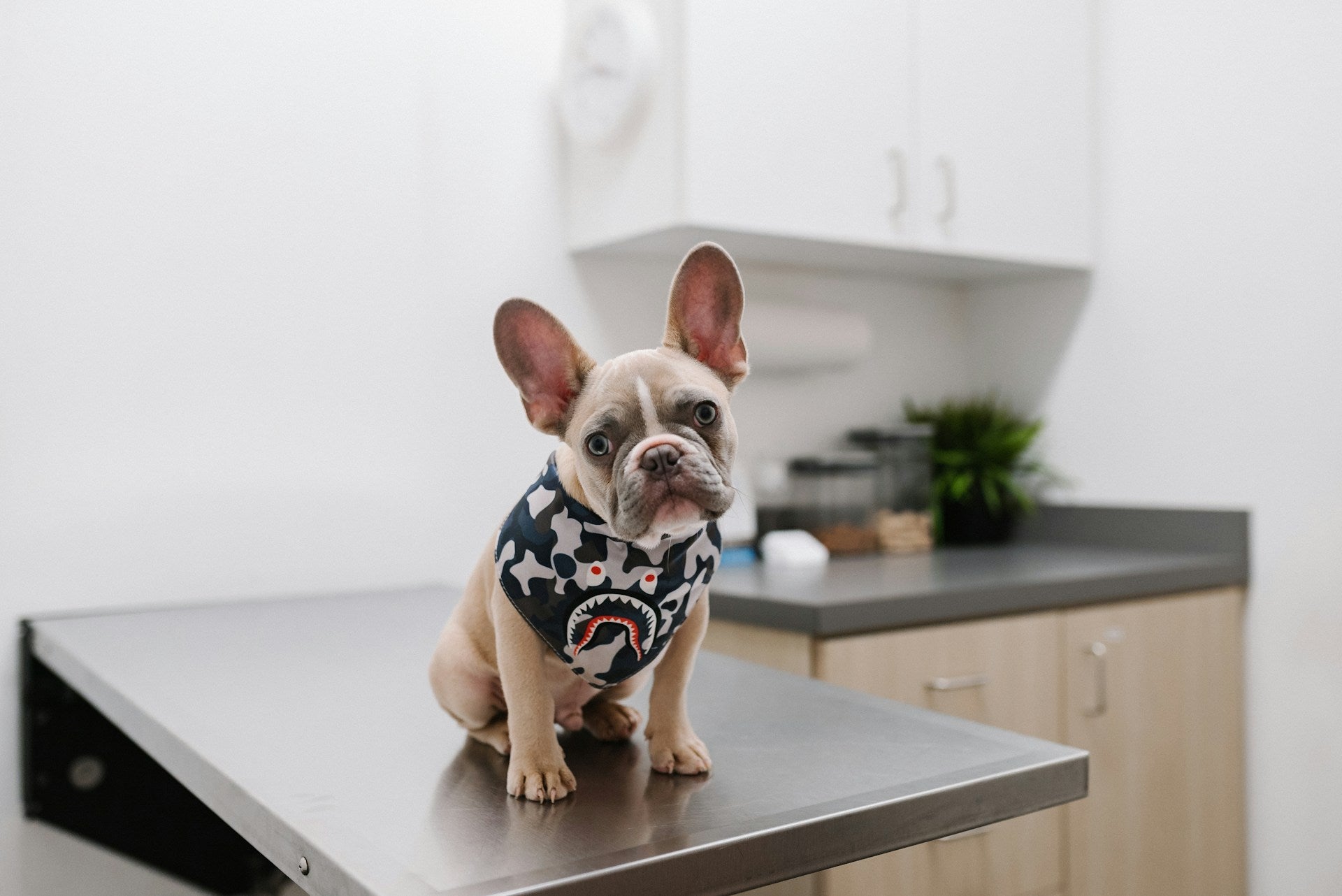
Image 'Dog at the vet': Karsten Winegeart / Unsplash

Collapsible content

Disclaimer

Disclaimer: The content presented here is for neutral information and general education purposes only.
It does not constitute a recommendation or endorsement of the diagnostic methods, treatments, or medicines described or mentioned.

Even though we constantly strive to improve and update our articles, it is possible that biased, incomplete, or abbreviated information may be provided.

The text does not in any way replace professional advice from a veterinarian and must not be used as a basis for independent diagnosis, commencement, alteration, or termination of disease treatment, or as a basis for decisions regarding the intake of medication, medicinal herbs, or other remedies.

In case of health problems,
always consult your trusted veterinarian!

We accept no liability for any inconvenience or damage resulting from the use of the information presented here.