Your first-aid guide for paws: insect stings
One minute your paw was happily romping around and playing, and before you know it, your paw limps back to you. Oh dear! What to do? Don't worry, we have the answers for you! How to react correctly in an emergency or with minor injuries and help your paw, you will learn in our ongoing series 'First Aid for Four Paws'! Today we are dealing with insect stings.
When nature becomes a problem: insect bites
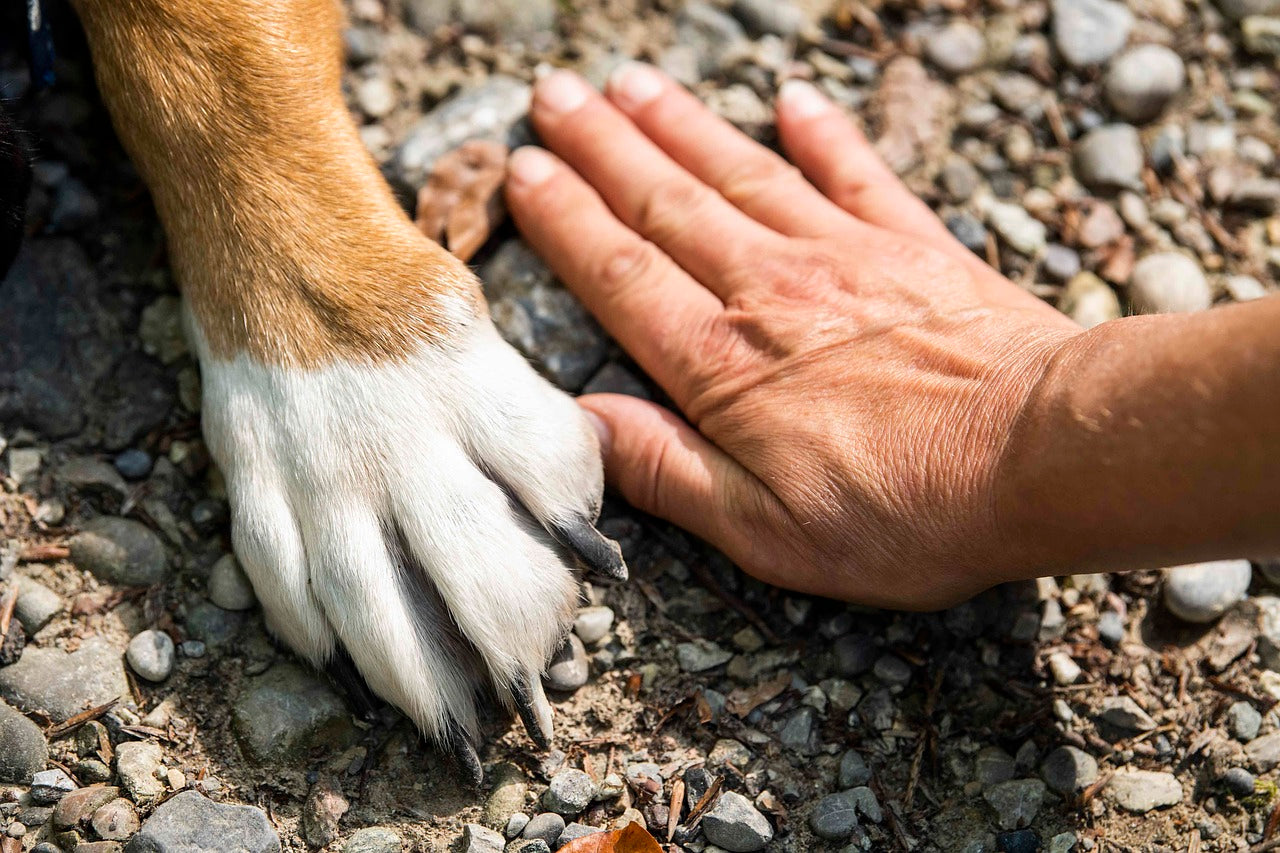
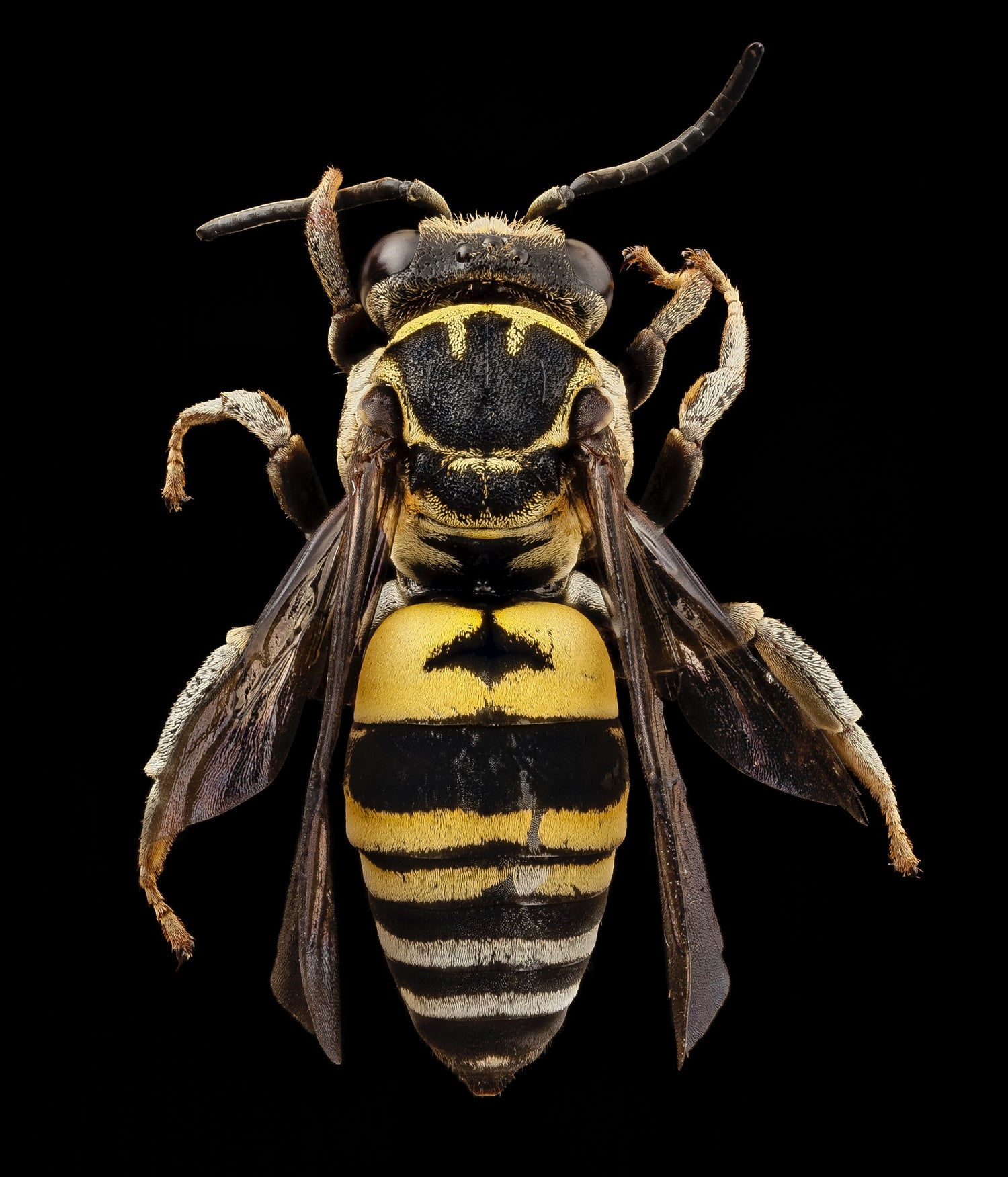
Playing with nature is probably one of dogs' favorite pastimes. Unfortunately, nature sometimes bites back when it doesn't appreciate being snapped at by four-legged friends. Bee, wasp, and hornets stings are very common, especially in spring and summer.
Usually, such an insect sting only leaves a bump, which is guaranteed to elicit a sympathetic 'Ooooh, ouch!' from everyone who sees it, but otherwise leaves no lasting damage.
If only it weren't for that little word if... Like humans, paws can also have an allergic reaction to insect venom. In severe cases, it can even lead to a so-called anaphylactic shock, which in turn can lead to cardiovascular failure or respiratory arrest.
Insect bite, what to do?
First, you should locate the sting site (usually your furry friend will help you with this by licking the insect sting) and – if still present – remove the stinger and cool the area with a cold pack or a damp cloth.
If your dog shows signs of shock, an immediate visit to the vet is essential.
How do I recognize anaphylactic shock?
- Trembling
- Staggering
- Difficulty swallowing & gagging
- Fever
- Apathy
- Shallow, gasping breaths
- Increased pulse
- Pale mucous membranes on the lips
Only a trained veterinarian can determine if an animal is experiencing anaphylactic shock. If your furry friend shows the symptoms mentioned above, you should take them to a vet immediately.
Emergency Checklist
Is it an external swelling?
Locate and remove the stinger (if present), then cool the area intensively (ice pack in a cloth, wet towel, running water).
Is the sting in the throat or on the tongue?
Reduce the swelling with an ice cube at the sting site.
How is the circulation?
You can check a four-legged friend's circulation by examining their teeth. Press against a spot on the gums for about 3 seconds. If the gums do not return to their original color within a few seconds, or if they turn bluish, the paw is in a critical condition.
Apply a muzzle or muzzle restraint
Even the most peaceful companion will become nervous or anxious in an emergency and may snap. It is therefore advisable (only if the dog is active) to apply a muzzle or muzzle restraint to the four-legged friend – but please only if there are no breathing difficulties!
Transport
Ideally, you can carefully lift the animal into the car on a blanket with two people. If you are alone and cannot find a helping hand, hold your paw so that the wound is on the opposite side from you.
So that you yourself are prepared for an emergency:
Example product title
shares
Tips for first aid for insect stings
If it is not an emergency, home remedies such as a cut onion or its juice or vinegar water can provide relief from insect stings (without shock). They neutralize the insect venom. A quark compress can help against swelling.
Globuli from the pharmacy can also promote the healing of your paw:
- If the skin around the sting turns bluish-red and feels rather cold, 'Ledum' globuli can be administered.
- If the sting site is bright red, swollen and sensitive to touch and feels rather warm, use 'Apis mellifica' globuli.
The Nasty Bloodsuckers: What to Do About Tick Bites?
Not only flying insects can ruin your paw's summer. Whether during a walk in the forest or romping in the meadow: almost every paw has unfortunately already encountered a tick. These nasty creatures bore their proboscis into the skin and then feast on the blood of their victims.
In most cases, a tick bite has no serious consequences. Unfortunately, here too: no rule without exception. It is therefore important that you always check your paw for ticks after a walk and remove them properly and completely with tweezers.
Afterward, disinfect the small wound and check if it changes color over the next few days. If your paw shows signs of illness such as fever, loss of appetite, and/or lethargy, you should take it to the vet to rule out a Lyme disease infection.
Fortunately, there are a few preventive measures against these nasty bloodsuckers, such as the Tick Spray from AniForte.
To give ticks no chance:
EM-Schweiz
EM Tick Tape / Effective Microorganisms
shares

First commandment in emergencies: Stay calm! You can only help your paw if you keep a cool head. So take a deep breath and calm down your paw (and yourself) first.
Have you already experienced emergencies with your paw? Did you ever have to administer first aid to a four-legged friend? Tell us your story and share your tips with us!